
Blog
Current Asbestos Regulations - What You Need to Know
20 Apr 2026
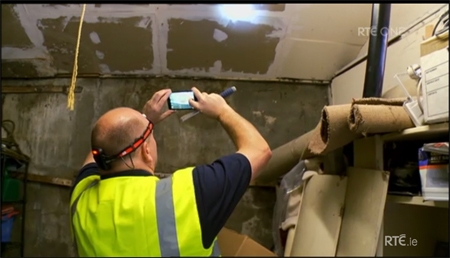
Asbestos regulations were tightened in 2023, with a significant reduction in the allowable level of airborne fibres coming fully into force at the end of 2025. The change reflects a growing body of evidence that even low-level exposure carries serious long-term health risks.
It wasn't an arbitrary policy shift; rather, the setting of a new standard for how asbestos gets handled on-site. The problem is that some Irish workplaces haven't fully caught up.
Asbestos Lurks in Older Buildings
Older buildings still contain asbestos, and routine work like maintenance or refurbishment can disturb it, putting everyone at risk of major health issues like asbestosis and mesothelioma. The current rules have brought down the acceptable levels by a great deal.
Asbestos surveys have been required by law for some time on refurbishment and demolition jobs in Ireland, and it’s the parameters of what’s ok and what’s not that have changed the most.
Here’s what to know:
-
Acceptable exposure limits for airborne asbestos fibres have come down by a factor of 10
-
Every employer is now required to check whether asbestos is present in a building before any work starts, and if it is, they need to assess what the actual exposure risk looks like
-
Before anyone touches anything that might contain asbestos, a permit has to be obtained through the official notification process, and the HSA will keep a public record of who has one
-
Workers handling asbestos need more thorough training than before, and the certification that proves they've had it is also changing
-
Anyone who's been exposed to asbestos will need regular health checks and ongoing exposure monitoring going forward
-
From 2029, more advanced testing equipment will be required to detect the thinner fibres that current methods can miss
-
A new Code of Practice is being introduced to bring all of this together under one updated framework
The reasons for lowering the allowable limit are about keeping people safe. The moment someone notices they’ve disturbed asbestos, it may already be too late, which is why surveys are so vital.
A Very Real Modern-Day Health Risk
Asbestos exposure still causes serious, life-altering health conditions, and because the effects take years (sometimes decades) to develop, the risk is easy to brush off. That gap between exposure and diagnosis is precisely why the limits were tightened.
For employers, doing the right thing comes down to not working on assumptions. Arranging proper inspections, planning work thoroughly, and bringing in experienced asbestos companies to assist you.
Don’t Take Any Chances - Speak to OHSS
If you’re uncertain about whether asbestos exists in your workplace, it’s reason enough to stop and get proper advice. At OHSS, we help businesses to understand exactly what's required under current regulations and make sure everything is in order.
Whether you need help arranging asbestos surveys or guidance on safe asbestos removal, we can help. It never pays to take chances with something this important, so if you suspect it’s present, get in touch with our experts today.
‹ BACK TO BLOG

5c Fingal Bay Business Park,
Harry Renolds Road,
Balbriggan,
Co. Dublin
Ireland
K32 XT04
Website Designed & Developed by: NiceOne


