
Blog
When Is Respiratory Protective Equipment (RPE) Required?
17 Sep 2026
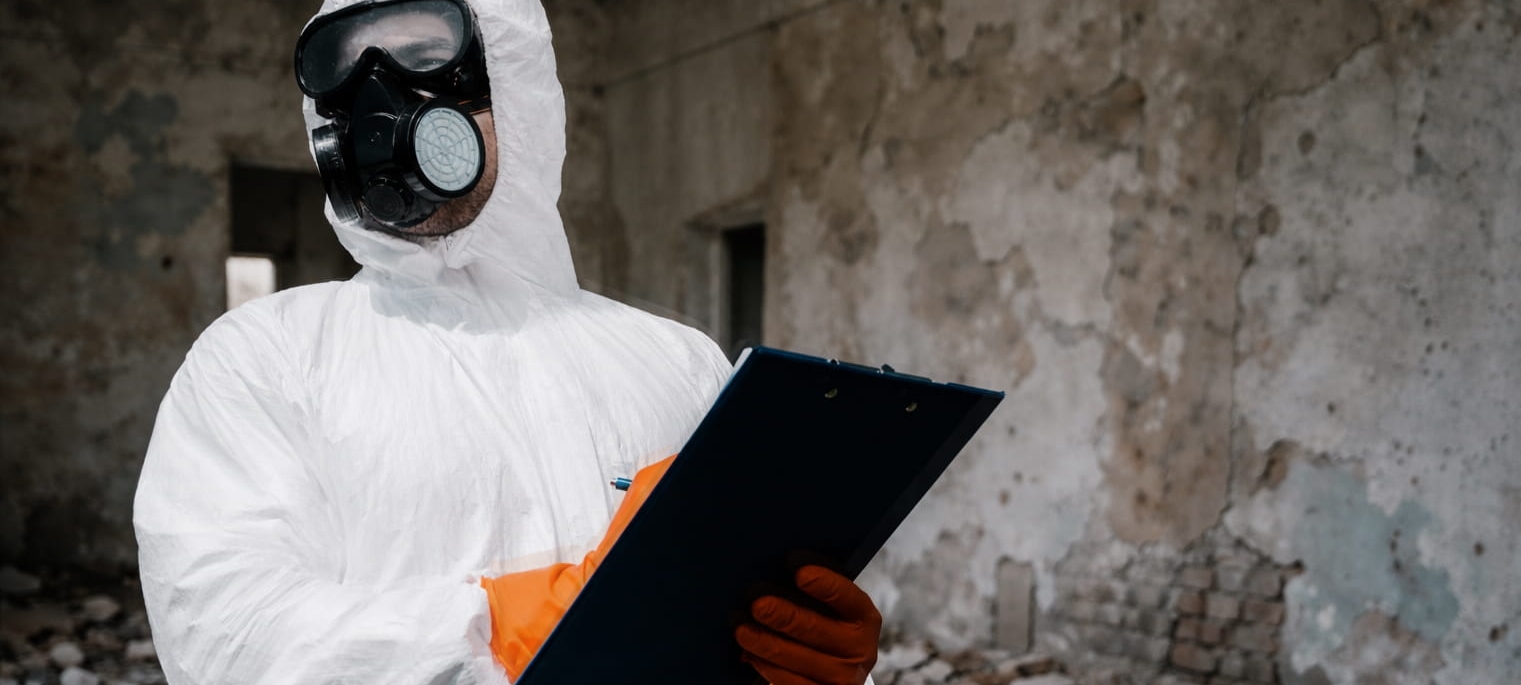
If your employees are working around dust, fumes, gases or other airborne hazards, you may be wondering whether they need respiratory protective equipment (RPE).
The obvious answer might seem to be: give everyone a mask.
But it isn't quite that simple.
RPE is an important form of personal protective equipment, but it shouldn't be the first solution to a respiratory hazard.
The first question should be: can the exposure be controlled at source?
RPE Shouldn't Be the First Solution
Respiratory protective equipment protects the person wearing it from breathing in hazardous substances.
But it doesn't remove the hazard from the workplace.
Before relying on RPE, employers should look at whether the hazard can be eliminated, whether a safer substance or process can be used, and whether engineering or other controls can reduce the exposure.
Could the process be enclosed? Could ventilation be improved? Could the way the work is carried out be changed?
If the exposure cannot be adequately controlled through other reasonably practicable measures, RPE may then be required.
So, putting on a respirator shouldn't be a substitute for dealing with the source of the problem.
What Can Create a Respiratory Hazard?
There are many ways workers can be exposed to hazardous substances in the air.
These can include:
-
Dust
-
Fumes
-
Vapours
-
Gases
-
Fibres
-
Mists
Construction, manufacturing, quarrying, chemical processing, maintenance and asbestos-related work are just some of the situations where respiratory protection may be needed.
And the risk isn't always obvious.
Dust levels can change during the working day, and a process that looks harmless can create significant airborne exposure when materials are cut, ground, sprayed or heated.
This is why you need to understand the hazard and the level of exposure before deciding what protection is required.
You Can't Just Pick Any Mask
One of the biggest mistakes businesses can make is assuming that any mask will provide adequate protection.
Different types of RPE are designed for different hazards and levels of exposure.
The equipment needs to be suitable for the substance involved, the work being carried out and the conditions in which it will be used.
It also needs to fit the person wearing it.
The HSA warns that RPE which isn't selected or worn appropriately can be ineffective and may give the wearer a false sense of protection.
Why Does Face Fit Testing Matter?
A tight-fitting respirator needs to form a good seal against the face.
If that seal isn't effective, contaminated air can get around the edges of the respirator instead of being filtered as intended.
This is why face fit testing is an important part of selecting suitable tight-fitting RPE.
A respirator that fits one person properly may not fit another person in the same way.
Facial hair can also prevent a suitable seal from being achieved with tight-fitting equipment.
Face fit testing is a formal test to establish whether a particular respirator provides an effective fit for the individual wearing it. A fit check should also be carried out by the wearer each time the respirator is put on.
What About Asbestos?
Asbestos is a particularly important example of where respiratory protection may form part of a much wider system of controls.
The aim should always be to prevent or minimise the release of asbestos fibres in the first place through appropriate planning, work methods and controls.
Where RPE is required, it needs to be suitable for the work and correctly selected, fitted, used and maintained.
There are also specific requirements around respiratory protection for asbestos work, including face fit testing.
This is not an area where simply buying a box of disposable masks is enough.
The work needs to be properly assessed and the appropriate controls, equipment and training put in place.
So, How Do You Know What RPE You Need?
There isn't one type of respirator that is right for every workplace.
You need to understand the hazard and the level of exposure before deciding what protection is required.
A proper assessment should consider:
-
What substance is in the air?
-
How are employees being exposed?
-
Can the exposure be controlled at source?
-
What controls are already in place?
-
What type of RPE is suitable?
-
Does it fit the individual user?
-
Is face fit testing required?
-
Can it be used safely with other PPE?
-
How will it be cleaned and maintained?
In some workplaces, exposure monitoring may also be needed to establish what workers are actually breathing in.
How Can OHSS Help?
At OHSS, occupational hygiene is about understanding the hazards people may be exposed to at work, assessing the risks and helping businesses put effective controls in place.
Our services include hazard identification and risk assessments, air quality monitoring, chemical safety and exposure monitoring and occupational hygiene support.
And we have practical experience with respiratory protection programmes.
OHSS worked with Tegral Building Products on an industrial hygiene programme which included face fit testing, implementation of an RPE programme, risk assessment and occupational monitoring.
This type of specialist assessment can help establish what workers are actually being exposed to and what measures are needed to control that exposure.
Don't Just Put a Mask On It
Respiratory protective equipment can be an important part of protecting workers from airborne hazards.
But it shouldn't be used as a quick fix.
The starting point should always be understanding the hazard, assessing the exposure and looking at ways of controlling the risk at source.
Where RPE is needed, it must be the right equipment, properly fitted, correctly used and properly maintained.
At OHSS, we've been helping Irish businesses manage occupational health and safety risks since 2001. If you need help with risk assessments, occupational exposure monitoring, air quality or respiratory protection, call us today on (01) 6905907 or visit www.ohss.ie to find out more about our services.
‹ BACK TO BLOG

5c Fingal Bay Business Park,
Harry Renolds Road,
Balbriggan,
Co. Dublin
Ireland
K32 XT04
Website Designed & Developed by: NiceOne


